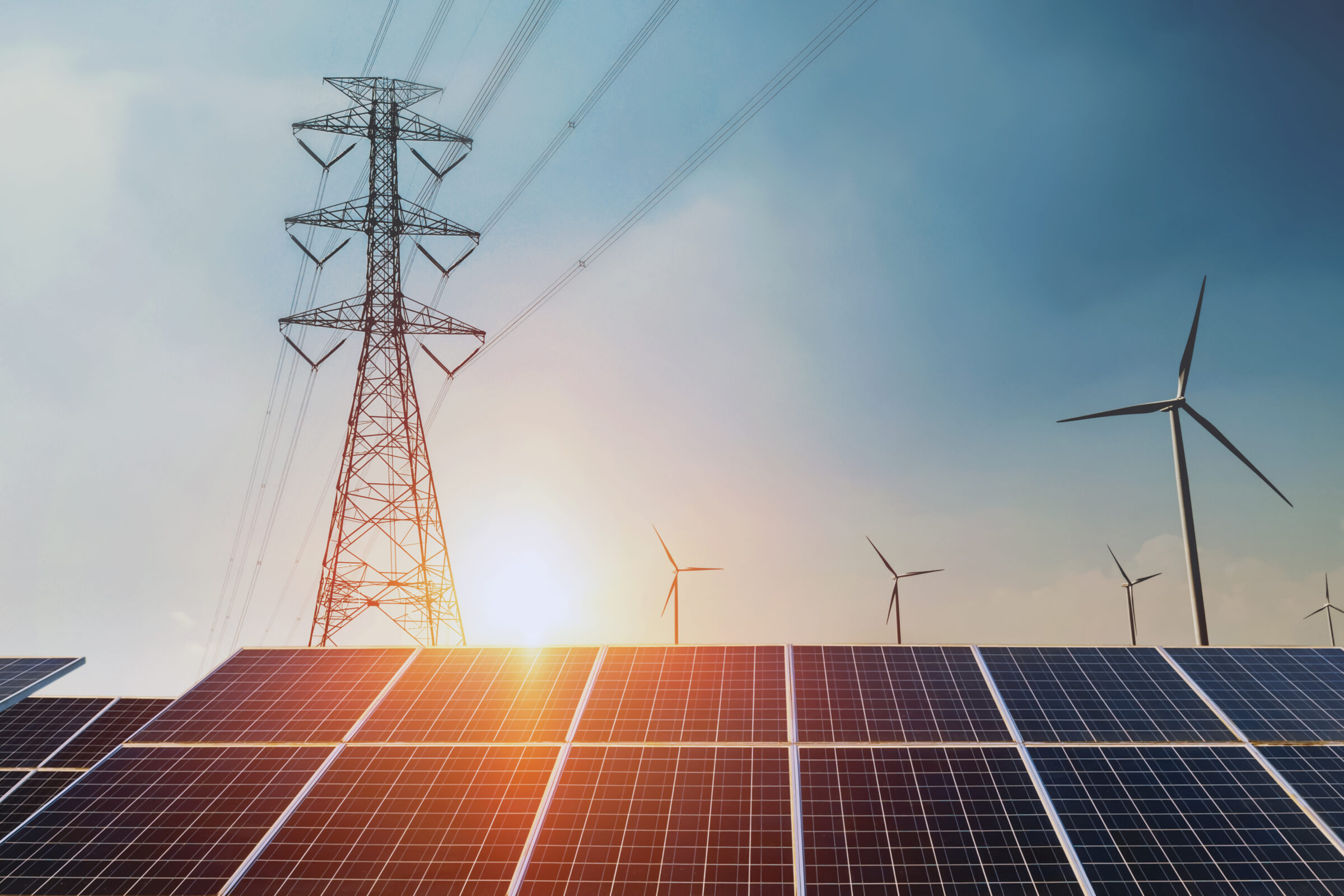
How BAAJA Helps Improve Project Timeline Certainty to Accelerate Clean Energy Deployment in the United States.
When the Senate reconvenes today, one of its first actions will be a procedural vote about the Bipartisan American Affordability and Jobs Act of 2026 (BAAJA).
Since Senate negotiators published the negotiated BAAJA text and the recent substitute amendments, the energy industry has been buzzing over its provisions. This bill offers a path forward to speed up the process of bringing clean energy online, helping us meet the moment by affordably and reliably meeting growing electricity demand.
Project Certainty & Fairness
Energy projects, regardless of the generation technology, are multi-year efforts with numerous steps and require substantial investment. BAAJA includes several provisions that would put in law the concept that once a permit is approved—after robust local, state, and finally federal environmental review—it makes a permit harder to revoke after it has been granted.
There are provisions that specifically restrict the circumstances in which a permit can be revoked and that provide a pathway to ensure accountability for fair treatment regardless of technology. There are also provisions that direct better coordination of reviews, establish more concrete timelines for judicial challenges, and support greater use of technology to collect and share project data to help reduce the backlog in the interconnection queues, which are overwhelmingly made up of clean energy resources.
By providing greater project certainty, these sections of the bill encourage investor participation within these projects.
More Predictable Judicial Review
Many energy projects face long timelines to receive a federal permit and often are further delayed by litigation even after certain permits are issued. The bill includes additional provisions that would move projects from proposal to power source faster.
The judicial review under the National Environmental Policy Act is another contributing factor to a project’s extended wait time. An analysis conducted by the Niskanen Center and the Clean Air Task Force identified that in some cases, approval time can take up to 11 years with almost 30% of the projects studied facing litigation. Today, opponents can sue up to six years after a project receives federal permits, causing a lingering risk of litigation. BAAJA would shorten the timeframe for NEPA-based challenges to projects to within 150 days of authorization, reducing the window for litigation.
The Importance of Community Engagement and Planning
BAAJA maintains, and in many ways also seeks to modernize, the critical issues of project transparency and community involvement. It includes provisions for pre-application engagement with community stakeholders, as well as establishing more uniform and transparent application data, online dashboards, and seeking to use more web-based tools to simplify both the application and community process.
Engaging early in the process provides greater transparency and opportunity for feedback from local communities. As clean energy project developers know well, this is a best practice—and BAAJA doesn’t change that.
The Bottom Line
BAAJA offers an efficient permitting process built on project certainty, fairness, and faster timelines. Getting projects online sooner means affordable power for those facing rising electricity prices and more reliable power for communities. By accelerating clean energy deployment, the nation can strengthen the grid we all depend on.
Author

ACORE Team Member
Join leaders from across the clean energy sector.

What will our next 20 years look like? Here’s the truth: they’ll be better with ACORE at the forefront of energy policy.
Shannon Kellogg
Amazon