



Organizations representing millions of U.S. energy jobs recently sent a letter to Senate Leaders currently drafting the budget reconciliation bill moving through Congress. The letter urges policymakers to preserve “start of construction” language as it relates to energy tax credits.
Resources

ACORE produces industry-leading research and analysis on the current state of the clean energy sector and topics key to the energy transition. Our reports, analyses, and filings help educate and guide the decisions of policymakers, businesses, and other key stakeholders.
ACORE Blog
Read expert analysis from ACORE staff, members, and supporters on the most pressing issues facing the clean energy sector.
Featured

ACORE Letter to the GHG Protocol Independent Standards Board
- Letters
This letter expresses concerns that revisions from the Greenhouse Gas Protocol’s Scope 2 Guidance Technical Working Group on market-based accounting could unintentionally chill investment and growth in the clean energy sector.
Joint Letter to the Northeast Power Coordinating Council on HVDC Bipole Contingencies
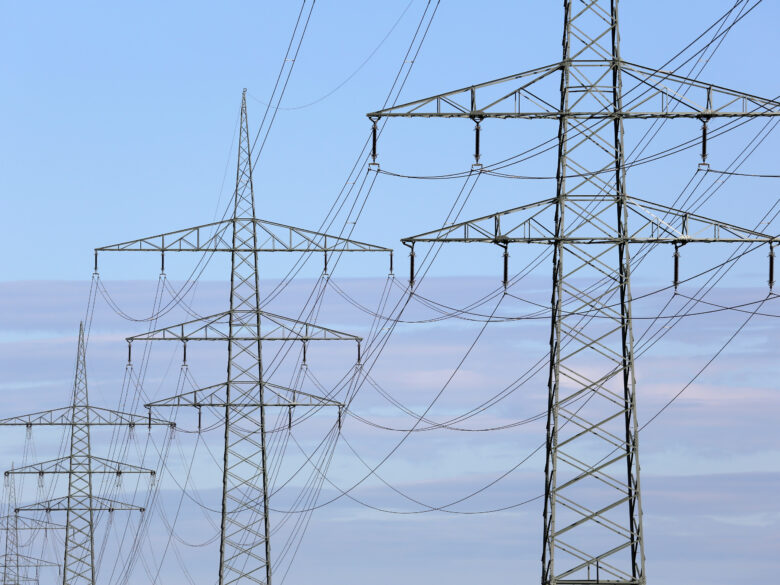
ACORE, the American Clean Power Association, and RENEW Northeast wrote to request that the Northeast Power Coordinating Council reassess its current treatment of bipole high-voltage direct current (HVDC) systems as a single contingency and align with the both the North American Electric Reliability Corporation’s criteria and European practice to instead treat the loss of both poles as two separate contingencies when considering new, modern HVDC systems.

Joint Letter to Department of the Treasury and IRS on Corporate Alternative Minimum Tax
- Project Finance
- Tax Incentives & Appropriations
- Comments & Testimony
- Letters
ACORE, American Clean Power Association, and the Solar Energy Industries Association jointly filed a letter in response to the Department of the Treasury and IRS’s notice of proposed rulemaking regarding the implementation of the Corporate Alternative Minimum Tax.

ACORE Letter to House Ways and Means Committee on Potential Tax Reform
ACORE submitted comments to the House Ways and Means Committee on potential tax reforms that could impact clean energy.
ACORE Letters in Support of California Legislation Regarding Clean Energy Investment Incentives
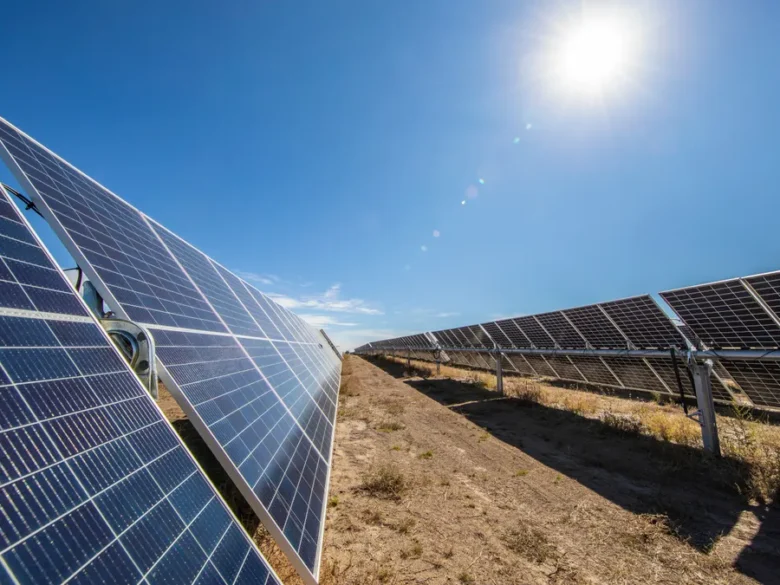
ACORE strongly supports SB 1191, legislation that would allow California to take full advantage of clean energy investment incentives.

ACORE Multi-Sector Coalition Letter on FY25 Transmission Appropriations
We write to request that FY25 Energy and Water Appropriations provide robust funding for electric transmission deployment and research.
Letter to the Northeast States Collaborative on HVDC Transmission Standards
A letter signed by clean energy and environmental organizations was sent to policymakers in coastal Atlantic states.
ACORE Letter to FERC on Transmission Planning Rule
ACORE stands ready to support the Commission in its issuance of a strong final rule on regional transmission planning and cost allocation.
ACORE Letter on the Impact of Proposed Bank Regulatory Capital Requirements on Tax Equity Investment in Clean Energy
On behalf of the undersigned organizations, we are writing to express our profound concerns about proposed bank regulatory capital requirements that threaten to derail the clean energy transition.
Join leaders from across the clean energy sector.

What will our next 20 years look like? Here’s the truth: they’ll be better with ACORE at the forefront of energy policy.
Shannon Kellogg
Amazon Web Services (AWS)